Thursday, 26 November 2020

How To Tune A Piano

When you purchase a piano, there is one type of maintenance that is essential to its quality and longevity: tuning. It takes time, patience, a trained ear, and a lot of practice to master the art of tuning. It involves a lot more mechanical know-how and precision than tuning a guitar. But by learning to tune a piano yourself, you can save money on hiring someone else to do it. Better yet, you’ll be keeping your instrument in top shape so that it holds the tuning for longer. If you’d like to learn about the process of piano tuning, we’ve put together the basic steps. 


Why is tuning a piano important?

If you’ve ever heard an instrument that’s played out of tune, you’re familiar with the headache that this sound induces. Something is just off. No matter how proficient you are at playing your favourite song, a piano that’s out of tune will ruin it every time.

There’s a reason why people recommend that you tune your piano twice a year (it’s not just to support the piano tuning industry). The strings in a piano are taut with high tension. Over time, they stretch and change the pitch of the keys. When a piano is tuned regularly, it’s easier for strings to maintain the right tension. But left without being tuned, they stretch more and more over time; this can cause a string to be damaged when played, or it may require a complete restringing of the instrument. It’s always less expensive to maintain your instrument properly than deal with costly fixes.

Before we delve in, a word of warning: tuning a piano is no easy task. You run the risk of damaging the strings or pins by doing it yourself. Stretch a string too tightly and you risk breaking it. This is why most people pay a professional to tune their instruments. This post is intended to give you a clearer picture of what piano tuning entails.

What tools will you need?


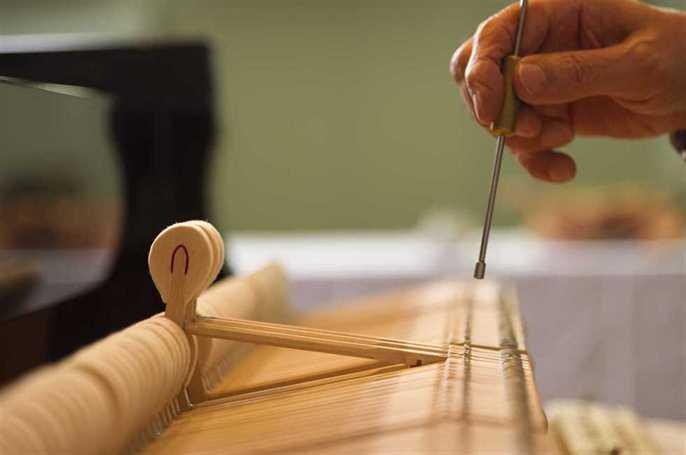
  • A lever. This tool (also known as a hammer, key, or wrench) fits around the pins of the piano. 


  • Mutes. To tune efficiently, you need to isolate the note in question. Mutes, which are rubber wedges that fit between strings, help with that. They block the sound from surrounding strings so you can tune one at a time.


  • Electronic tuner. Chromatic tuners will tell you the exact note that you’re playing. It’s invaluable when tuning to get the pitch just right.


  • A light. You’re going to be looking at a lot of strings up-close; a proper light source is invaluable. 


  • A screwdriver. This is an essential tool for pretty much any DIY project. How else will you get under the hood of the instrument?

When you’re shopping for tools, you might be tempted to pick the least-expensive options; after all, what’s the point in tuning a piano yourself if you pay more for tools than you do for a tune-up? But quality pays off when it comes to this type of maintenance, so don’t be afraid to shell out a few extra dollars. 

How do you tune a piano?

Your tools are ready and the house is silent: it’s time to tune your piano. Open the piano up, and let’s get started.

  • First, begin by finding the middle C (the middle octave, or C4). Secure the lever, hammer, or wrench to the pin. 


  • Each note has a certain number of strings; some have three, while others have two. When there are three, tune the one in the centre, but if there are only two, pick the one on the right. 


  • Place mutes on the strings that surround the set to isolate the sound.


  • Turn on your electronic tuner and begin to play the note repeatedly. Turn the pin to the right until it’s in tune with the chromatic tuner. Be careful not to tighten the string too much or it may break.


  • Now, you’ll use that note as a reference to tune each subsequent set. It’s important to use your ear to tune instead of your device. Why? It’s due to the inharmonicity of your piano. This term describes how a properly tuned piano should not be tuned to an equal tempered scale (AKA, your electronic tuner). If it were, some notes would sound too sharp, while others would fall flat. This is due to our sensory perception of the notes. 


  • Adjust the mutes so that your tuned string is free, but the ones surrounding it are not. Use your ear to tune this following set and remove more mutes as you move along the keys.


  • You’ve just finished tuning the first octave. Congratulations! This will be a useful reference for the rest of your strings. For each subsequent octave, use the corresponding note in the tuned set.


If you’ve followed all these steps, you’ll have a beautifully tuned piano on your hands. Reading this content may have inspired you to pick up the phone and call a piano tuner instead. Or, it’s made you more interested than ever in buying a piano for yourself. 

At Academy of Music, we have a wide selection of instruments for you to choose from. Visit our website to view our pianos for sale. We include a tuning with every purchase.


source https://www.academymusic.ca/how-to-tune-a-piano/

What To Look For When Buying A Piano

There are many reasons why someone decides to buy a piano. Perhaps you want to start taking lessons and need an instrument of your own to do so. Or, you’ve been playing for years and decide that it’s time for an upgrade. Maybe your child is of age to start piano lessons and you’d like to buy an instrument for them. In each of these situations, the “right” piano is different for everyone. It takes a good deal of research, some trials, and shopping around before you’ll find the instrument you’re looking for. To help you hone your search, here are some questions to ask yourself when you’re buying a piano:


Which type of piano are you looking for?

There are three main kinds of pianos: acoustic grand pianos, acoustic upright pianos, and digital pianos. Each has advantages and disadvantages, which we’ll cover briefly to give you an idea of which model you’re looking for:


  • Grand piano: These models tend to be the most expensive and take up the most space, but they have an undeniable beauty and elegance about them. The long strings in the horizontal body of the instrument produce notes that are rich and deep. 


  • Upright piano: Due to their shape, upright pianos are easier to store. After you depress a key, it’s reset by a string mechanism, which can create the need for more frequent repairs.  


  • Digital piano: One of the biggest advantages of digital pianos is that they don’t need tuning. They produce various sounds, so select one that feels the warmest and most natural to you. 


Where was it made?

When you’re shopping for a piano in Canada, you need to select one that’s suited for our climate; namely, the levels of humidity that we typically experience. Take note of the humidity in your home. Place your piano in a room that’s away from direct sunlight, windows, or damp areas. Moisture will affect the wooden components on the piano. When the wood shifts, it impacts the strings and pins within the instrument. A dry location is the best place to keep your tuning consistent. 


What would a professional player think?

If you’re just starting out with piano, you may need another opinion on the matter. Do you have friends who specialize in piano tune-ups, repairs, or have years of experience playing? If so, you can ask them to tag along while you shop; offer to pay them a commission for their time. You can even ask your piano teacher for suggestions if you are taking lessons. They will know the right questions to ask store owners about their selection, and they may have a better idea of what’s best for you. 


What do the keys feel like?

The keys of the piano have a certain degree of resistance. Be sure to take note of what you prefer. Are you more familiar with soft keys that are like pillows to your fingers? New beginners tend to prefer this type of piano; the cushioning can alleviate strain on the fingers. More experienced players usually opt for weighted keys that take more strength to play. 


What brand is it?

The top players in the piano game are not always the best makes. Yamaha, for example, makes fine instruments, but some are not designed to handle the humidity in Canada. Models from producers like Kawai and Casio have stood the test of time in producing high-quality pianos. 


How big is it?

You don’t want to buy a piano that’s too big for the space it’s designated for. Be sure to measure the room before you start shopping—the last thing you want is to fall in love with an instrument that you can’t fit into your house.


Is it new or used?

It’s the age-old question: should you get the brand-new model, or select one that’s discounted due to its prior use? When it comes to something as expensive as a piano, this question is important to consider. You want to make sure you’re investing in the right instrument. 

If you choose to buy used, make sure that the instrument has been tuned regularly. Otherwise, it may require multiple tune-ups so that the strings reach the right tension and settle correctly; if it’s been neglected, it may need to be restrung entirely. Make sure to ask how old it is. The factory warranty may have expired, which means you’ll pay more for repairs than you would with a new piano. You may need to tune it more often and refinish scuffs or dents. 


How does it sound?

Each piano has a slightly different tone. Some are clear and bright, while others are softer and more mellow. Shop around for different pianos and try them out to see which one has the tone that you like the most. 


What does it cost?

The final question when it comes to buying a piano: what are you willing to pay for it? Grand pianos tend to be the most expensive; with upright models, you’ll find some savings, but you may need to maintain the strings that experience wear and tear. 

To find a great piano, you must be prepared to pay some money for it. Think of how often you’ll be using this instrument: it will be played during lessons, to learn your favourite songs, to entertain guests, and to unwind after a long day. Settle on a budget that you’re comfortable with and start shopping around. If you find an instrument you like, ask the store what they offer in terms of delivery, warranties, and tune-ups. 


Need a piano? Academy of Music has a great selection of grand, upright, and digital pianos. We include delivery, warranty, and tuning; we’ll even set it up for you! Give us a call to learn more about our wide selection of pianos. 


source https://www.academymusic.ca/what-to-look-for-when-buying-a-piano/

How To Repair Your Piano

The piano may be your vessel to create beautiful and unique music. If there are problems with your instrument, you won’t be able to produce the elegant sounds that your heart sings with. In this post, we’re going to cover common problems that pianists encounter with their instruments. We will include some basic solutions, but many issues will require that you call in a professional piano repair person.


The key is stuck down.

You begin to play your favourite piece, only to discover that each time you strike a key, it stays depressed rather than springing back up. The issue can be with the lever beneath the key; you’ll know this is the case if the key itself springs back up, but when you play it, no sound is produced. This problem makes it impossible to use your instrument and requires an immediate fix. How do you do it?

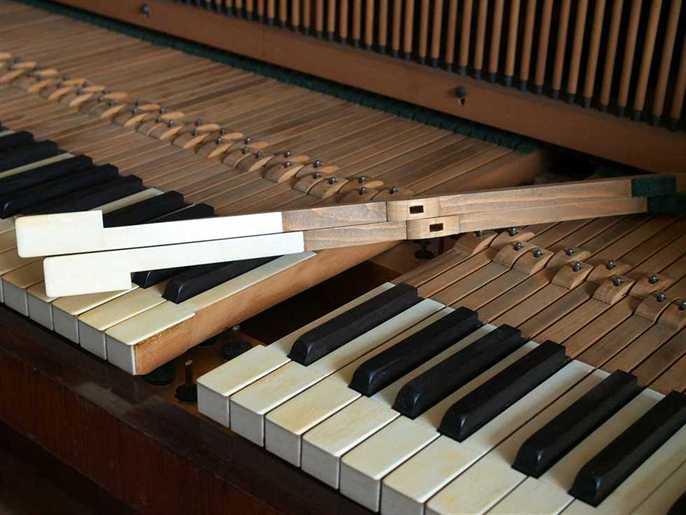
Humidity is a common culprit behind these sorts of issues. Grand and upright pianos are made of wood, which means that the material swells under damp conditions. This is one reason why you need to take care when cleaning the instrument; if you use too much water, it can warp the keys (which are made of wood). Only the topmost layer is white plastic or ivory). On a particularly damp day, the keys may become sticky. Consider setting up a dehumidifier in your piano room or set up a hot lamp near the instrument to bring down moisture levels. 


Keys are sticking to each other.

Have you ever played a single note, but your piano produced two instead? Even when you wiggle the keys, they remain stuck together. You’ll need to open up your piano to get a closer look at what’s going on. 

There may be a substance that’s causing the jam, like food or crumbs. After years of playing, the oils and dirt from our fingers can slip between the cracks and cause stickiness. It can damage the pins within the levers that help the key return to its resting position. When the pins are exposed to dirt or spilled liquids, they accumulate rust. To remove it, you can buff them with an abrasive material. Alternatively, you can purchase new centre pins and replace the rusted ones.

Beneath the key lever is a strip of felt, which is used to help the keys move freely. Over time, this felt can cause the lever to jam; it may become dislocated or swollen. There are a few options that you can do here: one is to gently shave the felt, either with a thin razor or a file. If the felt is folded over, use a small dollop of glue to hold it in place. This should free up your keys so you can play them as you desire. If the piano has been played for many years, the felt may be worn away completely—in that case, you’ll need to purchase a replacement. 


The hammer is faulty.

The hammer is what bears down on the strings when you play a note. It’s an integral component to a high-performing piano. All sorts of issues can arise with this piece of equipment. Let’s go over a few of the most common problems and how you can repair them:

  • The hammer won’t strike the strings. When the hammer hangs in the air but won’t come down, it’s usually due to the components having swelled. They can be loosened with a can of aerosol silicone. 


  • The hammer isn’t working consistently. Every third note that you strike, your piano responds with silence. It’s clear that the hammer isn’t hitting the strings each time. The hammer may be worn down and failing to move. It can happen if the humidity in your room is too high. Perhaps the spring itself is broken and needs to be replaced. Finally, something may have fallen inside the piano, and is interfering with the movement of the hammer.


  • The hammer is loose. A hammer that’s out of alignment can produce a muffled sound. You may be able to tighten it using a screwdriver and flashlight but be careful not to overdo it. 


  • The hammer is broken. You may open your piano and find that the hammer is broken, either at the head, the middle, or the butt. This is an unfortunate issue. You can try to drill a hole and reattach the separated pieces with a shank of wood. This can cause the hammer to be crooked, which leads us to our next issue:


  • The hammer is crooked. A misaligned hammer can result after repairing a hammer for the other issues; tampering with the mechanism can make it off-centre. Heat can be used to soften and then straighten the hammer, but since this is dangerous (especially since you’re working with wood), it’s best to call a professional for this fix.


The tuning pins are loose.

A loose pin won’t be able to hold a tuned string; despite your diligent efforts, it will slip back to being out of tune again in no time. The sound that this problem produces is particularly unpleasant; you’ll know it when you hear it. It’s twangy, sour, and horribly out of tune. What can you do? A piano tuner can help diagnose your issue and find the specific pin that’s causing the problem. They can tighten it with the proper tools and then re-tune the affected strings. Or, they can try to treat it using a liquid that fills spaces in the wood, tightening the pins that way. 


The notes won’t sustain, or they sustain too long. 

Certain songs require resonance to hold notes, while needing to cut others short. If you find that the note cuts off as soon as you lift your finger, or it plays for too long, your damper strings may be to blame. 

When the note hangs for longer than it should, the damper springs are usually the reason. The springs are what put the damper back to its original position after a note is played; if the springs are damaged, the damper will remain on the strings and sustain the note for too long. You will probably need to contact a repair person to replace the springs. Alternatively, there may be an obstruction that’s blocking the damper—remove it to restore the piano’s functionality.

What if the note won’t sustain at all? This is probably due to the sustain pedal. It may need to be realigned or adjusted. 


It’s making strange noises.

You start to play a classic melody, only to discover that something isn’t quite right. What’s responsible behind that odd noise? Here are a few possible problems:

  • You hear a buzzing sound. This sound is often the result of another object falling into the piano and lodging within the wires. Alternatively, there might be something behind the piano that’s tampering with the sound; take a look at the area surrounding your instrument. 


  • You hear a rattling sound. When the strings or wires in your piano are damaged, the instrument can produce an unpleasant rattling sound. Try to figure out which wire is causing you the problem and call a piano tuner to help fix it. 


  • You hear a squeaking sound. As the saying goes, the squeaky wheel gets the grease. Squeaky keys are hard to ignore. The pins probably need lubricant to restore the instrument’s beautiful sound. 


And finally, some general advice to avoid all of the above issues: play your piano often. Frequent use will prevent many of these problems from occurring. Playing the instrument more often will be good for your wallet and your brain; it’s a win-win situation. 


It’s always fun to try a new piano. If you’re in the market for a new instrument, Academy of Music has a great selection of pianos to choose from. We offer grand pianos, upright pianos, and digital pianos from high-quality brands like Kawai and Casio. Call us today and we can help you find the perfect instrument for you and your family.


source https://www.academymusic.ca/how-to-repair-your-piano/

Wednesday, 18 November 2020

The Hardest Instruments To Learn & Why

Mastering an instrument is an incredibly rewarding experience—but some musical instruments are easier to play than others. Perhaps you’ve been practicing for a while, and you’re looking for a greater challenge. Why not step outside of your comfort zone and pick up a new instrument? There’s no shortage of new things to learn in the world; don’t sell yourself short! Almost anyone can learn to play the instruments listed below, even though they’re more challenging than most. 


The French horn.

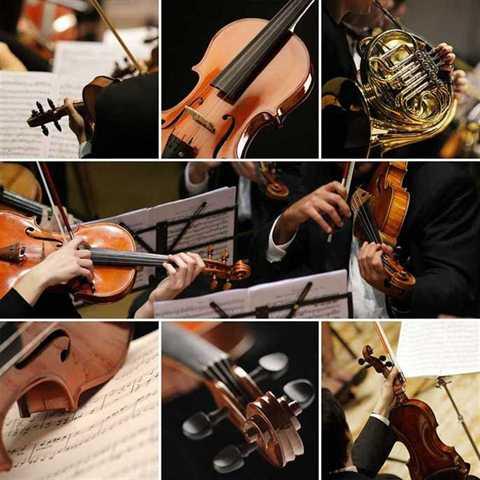
Of all brass instruments, this one is considered to be the most challenging. For one, it’s quite heavy; if you lack the strength to hold it, playing it will be difficult. You’ll also need strong cardio to manage the breath control that the French horn requires. The placement of your lips needs precision; one wrong move and the note goes out of tune. As challenging as the French horn is, it’s also very loud, which means your mistakes will be magnified—this makes it more intimidating to new players.


The harp.

Listening to someone play the harp is a relaxing, tranquil experience. Playing it is something else altogether. It takes a high level of dexterity, dedication, and persistence to learn this instrument. You’ll need to master hand-eye coordination to be a successful harpist. Level harps have between 20-30 strings, while pedal harps have up to 47. If you gain a proficiency with the harp, you’ll be playing the music of the angels.


The organ.

If you have a background in piano lessons, it will come in handy when you’re learning to play the organ. But instead of one keyboard, you’ll be dealing with two or three. They produce a wide range of tones, from somber melodies to powerful chords. Unlike the piano, organs have no sustain pedals; your fingers need to hold the notes to keep them going.


The violin.

Playing this string instrument is just as intricate as the music it produces. With a guitar, you have frets to guide your finger placement, but these are absent on a violin. It’s also difficult to hold properly; it needs to balance under your chin in a way that lets your fingers move along the frets. This instrument is infamous for its steep learning curve—your housemates may not appreciate the racket you make as you’re learning how to play. 


The accordion.

Remember when you were a kid, and you tried to rub your stomach while tapping your head? If you were able to do it well, you might consider picking up the accordion. It’s hard enough to play one instrument, but the accordion combines three instruments in one! One hand plays the keys while the other manages the bass buttons. Using both hands, the player moves the bellows in and out, as well. Talk about multitasking! 


The drums.

Mastering this percussion kit takes a certain type of player. You need an unshakeable grasp on rhythm to manage drums, cymbals, and foot pedals. Have you ever noticed the intense concentration on a drummer’s face as they play? They are typically drenched in sweat—not only is this instrument mentally taxing, but it requires physical endurance as well. 


Whether you choose a difficult instrument or one that’s easier to grasp is up to you. At The Academy of Music, we offer Thompson music lessons. If you need help learning a challenging instrument, we’ve got your back. Visit our website to learn more about our online and in-home lessons. 


source https://www.academymusic.ca/the-hardest-instruments-to-learn-why/